Trusted Roofing Contractor for Superior Home Security
Deciding on a reputable roofing contractor is a vital choice for homeowners. A qualified professional ensures adherence with industry standards and alleviates potential risks. The right contractor not only provides tailored solutions but also stresses solid communication and reliability. This foundation produces a secure and well-protected home. However, the process of finding such a contractor involves more than just a quick search. Understanding the key qualities and factors can make all the difference.
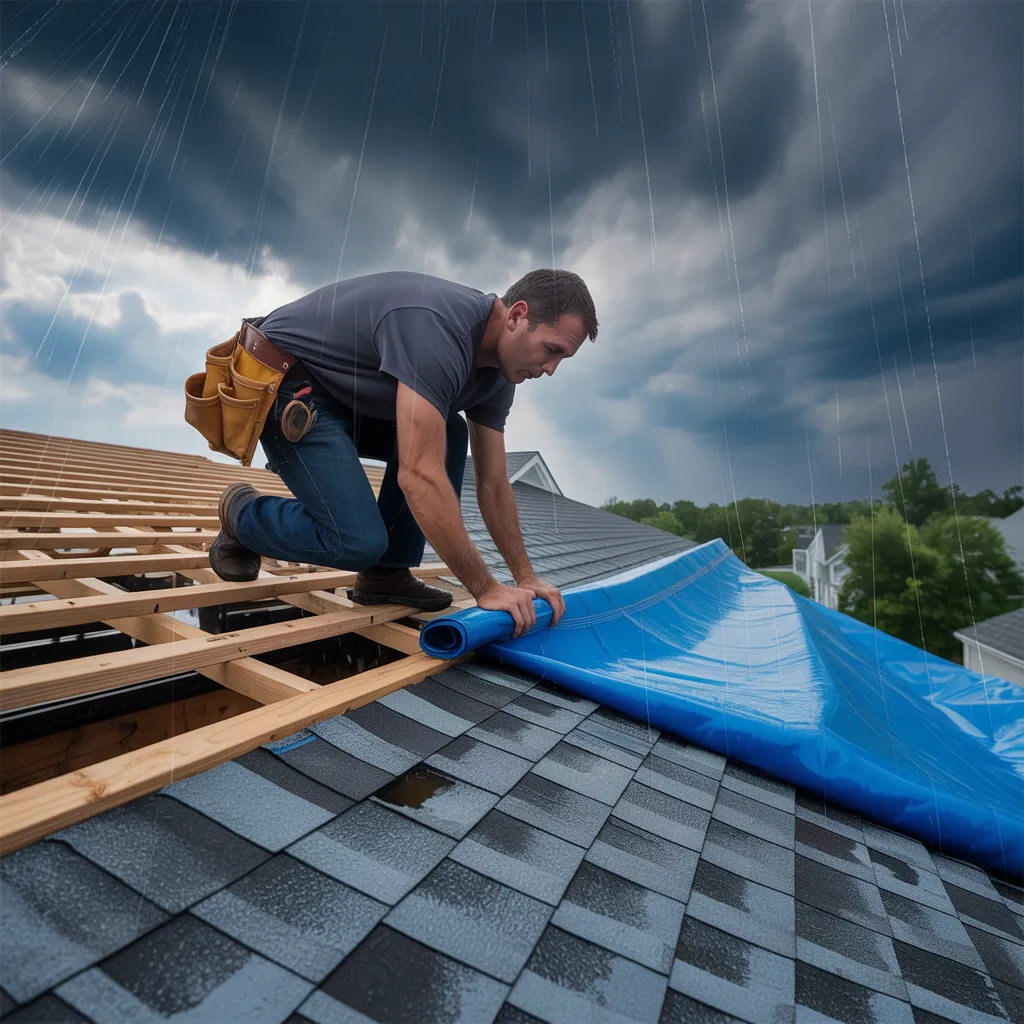
Why Finding the Best Roofing Contractor Matters
How vital is it to select the right roofing contractor? The choice regarding a roofing contractor significantly influences the durability and efficiency of the roofing system. An inadequately installed roof can cause leaks, structural damage, and elevated energy costs, ultimately endangering the home's safety. A reputable contractor ensures adherence with local building codes and utilizes high-quality materials, contributing to a long-lasting and reliable roof. Additionally, experienced contractors deliver useful information into the most suitable roofing solutions adapted to specific needs, enhancing overall home protection. A poorly chosen contractor, conversely, may cause subpar workmanship and unforeseen expenses. This decision has serious long-term consequences; therefore, comprehensive research and evaluation are essential. Engaging a trustworthy contractor not only secures the roof but also fosters peace of mind for homeowners, knowing their investment is safeguarded. Ultimately, choosing the right roofing contractor is foundational to maintaining the integrity of the home.
Key Qualities to Look for in a Roofing Professional
Picking a roofing professional necessitates thorough evaluation of several attributes that guarantee a completed project. First, a established contractor should have proper credentials and insurance, confirming compliance with local standards and protection against potential liabilities. Experience in the roofing field is vital, as it reflects a contractor's skill to address various issues effectively.
Additionally, strong communication skills are important; a good contractor maintains clients updated throughout the project, addressing concerns quickly. Dependability is another fundamental quality, indicating that the contractor can meet timelines and commitments.
Furthermore, a robust portfolio displaying past work can offer insight into the contractor's workmanship and technique. Finally, positive customer reviews and recommendations act as a reflection of their reputation and service quality. By assessing these key qualities, homeowners can make a informed decision when choosing a roofing expert to protect their homes successfully.
Key Roofing Materials: Types and Advantages
Roofing materials play an essential role in the visit resource endurance and design of a home. Various categories are available, each with distinct advantages. Asphalt shingles are popular due to their affordability and easy setup, making them suitable for many homeowners. Metal roofing, known for its longevity and resistance to extreme weather, can be a more environmentally friendly choice, often helping reflect heat to reduce energy costs.
Clay and concrete tiles deliver exceptional durability and a timeless aesthetic, while slate roofing is greatly valued for its elegance and extended durability, although it comes at a greater expense.
Wood shakes deliver a natural look, but they require more maintenance. In conclusion, artificial materials, like rubber or polymer shingles, combine the perks of conventional materials while being easy to handle and environmentally friendly. Picking the right roofing material is crucial for guaranteeing both protection and aesthetic appeal, ultimately boosting the home's worth.
Analyzing Roofing Proposals: Details to Evaluate
When deciding on a new roof, gathering quotes from roofing professionals is an important stage in the evaluation process. Homeowners should give attention to multiple key considerations to make sure they get a thorough and equitable proposal. First, it is necessary to compare the work description included in each estimate, including materials, labor, and any additional work. Explicit breakdowns supports understanding what is contained.
Next, homeowners should seek out warranties on both materials and workmanship. A reputable contractor often offers a guarantee that safeguards against defects. Additionally, the schedule for project completion should be clearly defined, as delays can affect planning and budget.
In the end, it's prudent to examine the contractor's reputation through feedback and endorsements, confirming they have a history of superior results. By methodically assessing these elements, homeowners can select the right option that best suit their priorities and spending limit.
Why Certifications and Assurance Are Important?
A sturdy foundation for any roofing project depends on the contractor's licensing and insurance. Certification guarantees that the contractor has met specific regulatory standards and industry requirements, showing a commitment to professionalism and quality. It acts as a safeguard for homeowners, suggesting that the contractor is qualified to complete the work required.
Insurance, on the other hand, safeguards both the contractor and the homeowner from possible legal risks. In the event of accidents or damages during the roofing process, insurance offers coverage, ensuring that financial burdens do not fall on the homeowner. Without proper insurance, a homeowner might face substantial out-of-pocket expenses if something goes wrong.
Together, licensing and insurance not only boost the contractor's credibility but also offer assurance to homeowners. Investing in a qualified, licensed, and insured roofing contractor ultimately supports the long-term protection and value of the home.
Main Questions You Should Inquire Your Roof Company?
How can homeowners ensure they choose the right roof contractor? One effective approach is to create a set of important inquiries to ask prospective contractors. Homeowners should ask regarding the contractor's background and previous work to assess their skills. It's also crucial to ask for testimonials and feedback from past customers, which can offer useful information into the contractor's dependability.
Another primary issue examines the supplies and approaches the firm plans to use, validating they meet professional criteria. Homeowners should further confirm that the contractor is properly insured and licensed, offering safeguards against conceivable legal liabilities. Also, covering the schedule and payment terms can assist in setting clear expectations. Lastly, property owners should ask about warranties on both materials and labor, providing assurance of quality and durability. Through these focused questions, homeowners can achieve educated decisions, confirming their roof project is completed efficiently and effectively.
The Way a Quality Roof Increases Your Home's Worth
Investing in a quality roof not only safeguards a home but also significantly improves its resale value. A properly built roof serves as a protective barrier against the elements, reducing the chance of water damage and foundation problems. Homebuyers often prioritize the state of the roof, as it directly impacts their future repair expenses.
Furthermore, an aesthetically pleasing roof can enhance the overall aesthetic of a property, rendering it more desirable to future buyers. Varied roof materials and styles can also influence market value; quality materials such as slate or metal tend to yield higher returns on investment.
Moreover, a newest roof can optimize operational efficiency, bringing about decreased utility bills, which is an compelling feature for nature-conscious buyers. Ultimately, a quality roof not only ensures peace of mind but also constitutes a significant asset in leveraging a home's value in a aggressive real estate market.
Questions Posed Often
What Timeframe Does a Typical Roofing Project Need to Finish?
A standard roofing project usually takes anywhere from several days to one week to finish. Elements such as the size of the roof, atmospheric circumstances, and material type can influence the total timeframe of the work considerably.
What Coverage Are Offered for Roof Work?
Multiple warranty programs for roofing services exist, including manufacturer warranties protecting materials and labor guarantees from contractors. These warranties typically range from a few years to several decades, reliant on the materials used and the contractor's policies.
How Do I Keep My Roof in Proper Shape After Installation?
To maintain a roof after installation, routine checks should be conducted, debris cleared, gutters cleaned, and any damage promptly repaired. Additionally, professionals recommend periodic maintenance checks to guarantee longevity and peak performance.
What Steps Should I Implement if My Roof Drips Water?
If a roof leaks, the property owner should first identify the origin of the leak, contain any water damage, and call a expert for restoration. Timely action stops further damage and guarantees the roof's integrity.
Is installing a new Roof Over an existing One an option?
Yes, installing a new roof over an existing one is feasible, provided the current roof is in good condition and local building codes permit it. This approach can save time and minimize costs notably.